Table of Contents
- Market Research and Analysis
- Location and Property Selection
- Financial Planning and Management
- Legal and Regulatory Compliance
- Property Management and Maintenance
- Tenant Relations and Retention
- Adaptation to Market Trends
- Networking and Professional Development
Commercial real estate stands out as one of the most dynamic investment sectors, offering significant earning potential for both investors and developers. To excel in this field, market participants must adopt a strategic approach grounded in research, planning, and adaptability. Whether looking for commercial property for rent in Maryland or seeking to expand a diverse real estate portfolio, understanding key success factors is vital.
Several crucial elements influence outcomes in commercial real estate, from analyzing local trends to building meaningful professional relationships. This article will explore practical strategies and actionable insights that help drive long-term growth and mitigate risks in the competitive commercial property market.
As demand for well-located, adaptable, and efficiently managed commercial spaces continues to rise, industry players need to leverage data, cultivate strong tenant relations, and embrace technology. Recognizing these drivers underlines the importance of a holistic approach in navigating the complexities and capitalizing on opportunities in commercial real estate.
By mastering these aspects, investors and property owners can position themselves to thrive amid shifting economic cycles and evolving tenant requirements essential for anyone seeking a lasting impact in this sector.
Market Research and Analysis
Successful commercial real estate ventures begin with diligent market research. Investors who actively monitor local market trends, including supply and demand fluctuations, vacancy rates, and rental patterns, are far better prepared to seize emerging opportunities. For example, in markets such as Northwest Arkansas, a falling vacancy rate from 7.2 percent to 6.3 percent in late 2025 signaled higher demand, encouraging further investment and development. Axios reports that staying current with these indicators helps eliminate guesswork and maximizes profitability.
Location and Property Selection
The importance of a property’s location cannot be overstated in commercial real estate. Properties situated in areas with robust infrastructure, expanding business hubs, and favorable demographic trends are more likely to yield higher returns. Urban and suburban markets experiencing technology-driven growth, for example, often attract companies seeking office expansions, thus driving demand for space and escalating rental income over time. Wise investors evaluate surrounding amenities, accessibility, and projected area growth during the property selection process.
Financial Planning and Management
Effective financial oversight is the backbone of every thriving CRE investment. This includes crafting detailed budgets, selecting optimal financing options, and keeping a close eye on cash flow. Strategies such as the 1031 exchange provide ways to defer capital gains taxes when swapping investment properties, allowing investors to scale portfolios at an accelerated rate. Industry examples underscore how these techniques can facilitate growth from modest holdings to substantial multi-unit complexes worth millions. For an overview of 1031 exchange best practices, see this Kiplinger article.
Legal and Regulatory Compliance
Ensuring compliance with state and local regulations is crucial for CRE investors and managers. Zoning ordinances, building codes, and lease contract stipulations can vary widely and often have a significant impact on investment performance. Staying current on changes in real estate law helps mitigate the risk of costly fines or disputes. Proactive legal due diligence lays the groundwork for smooth operations and long-term asset protection, especially as municipalities adjust codes to accommodate evolving business needs.
Property Management and Maintenance
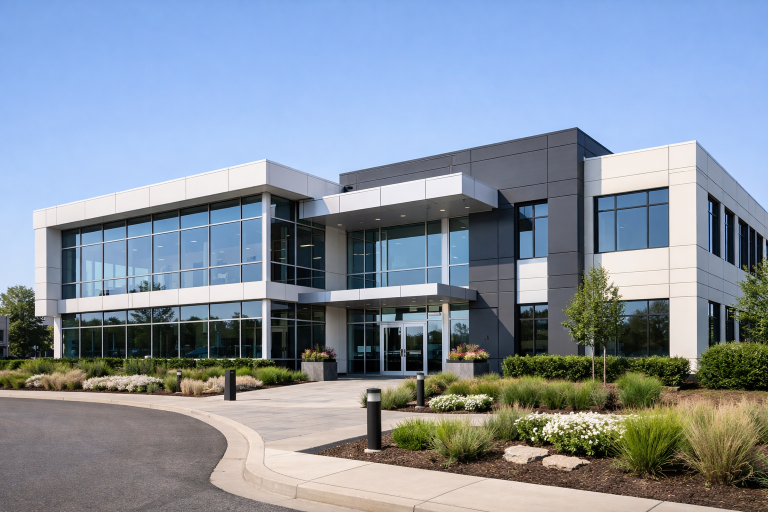
Ongoing property management and maintenance directly influence asset value and tenant satisfaction. Proactive upkeep, speedy repairs, and regular renovations not only retain existing tenants but also attract new ones. Incorporating sustainable upgrades such as energy-efficient lighting and smart HVAC systems cuts operating costs and appeals to environmentally conscious occupants.
Tenant Relations and Retention
Building strong relationships with tenants is key to maintaining high occupancy levels and stable rental income. Clear communication channels, prompt responsiveness, and a commitment to understanding tenant requirements foster positive leasing experiences. Owners who offer flexibility in lease terms and provide attractive amenities are often rewarded with lower turnover rates and a dependable revenue base, even as market conditions fluctuate.
Adaptation to Market Trends
Adaptability is vital in a sector shaped by continuous technological advancement and evolving business practices. The surge in remote work and e-commerce over recent years has prompted demand for specialized office layouts and larger industrial warehouses. Investors who closely watch trends can pivot assets and marketing strategies accordingly, capitalizing on new demand drivers.
Networking and Professional Development
Professional growth and success in commercial real estate often stem from robust industry connections. Participating in associations, conferences, and workshops keeps investors informed and connected with lenders, brokers, and fellow market participants. Ongoing education enhances knowledge of best practices, regulatory changes, and innovative investment tools, building lasting networks that translate into new deals and collaborative ventures.
In summary, success in commercial real estate requires a blend of meticulous planning, financial acumen, legal awareness, and relationship-building. Embracing a comprehensive approach allows investors, developers, and property managers to navigate changing market conditions and achieve their financial and operational goals in the industry.
