Key Takeaways
- Minimalist design enhances user focus and readability.
- Incorporating 3D elements can add depth and engagement.
- Personalization and AI integration improve user experience.
- Consistent navigation and intuitive layouts are crucial.
Table of Contents
- Embracing Minimalist Design
- Incorporating 3D Elements
- Personalization and AI Integration
- Ensuring Intuitive Navigation
- Case Studies of Effective UI Designs
- Conclusion
Creating a mobile app that stands out in today’s crowded marketplace is no simple task. With millions of apps vying for attention, the importance of a thoughtfully designed user interface cannot be overstated. By exploring the most effective trends and principles and examining high-performing applications, developers can uncover what truly resonates with users. For an in-depth look at a broad range of exemplary interfaces, check out these mobile app UI design inspirations. The digital landscape is shifting rapidly, with user demands and expectations evolving just as quickly. Drawing on proven industry strategies helps not only avoid common pitfalls but also discover creative approaches that drive engagement and loyalty. By focusing on intuitive user experiences, visually appealing elements, and personal touches, developers can significantly enhance the value of their apps.
Successful app design balances user needs and business objectives by thoughtfully using color, typography, and navigational flow. Developers must understand not just what looks good, but also how interface components foster a seamless, enjoyable journey. This is especially vital as mobile user habits change and multitasking becomes ubiquitous, raising the stakes for clarity and responsiveness in UI design. Building unique mobile UIs is not only about creativity; it is equally about strategic decisions that streamline the app-building process, minimize user friction, and reinforce brand identity. Intuitive touchpoints, logical structure, and carefully chosen visual cues can make the difference between an app users love and one they quickly abandon.
Embracing Minimalist Design
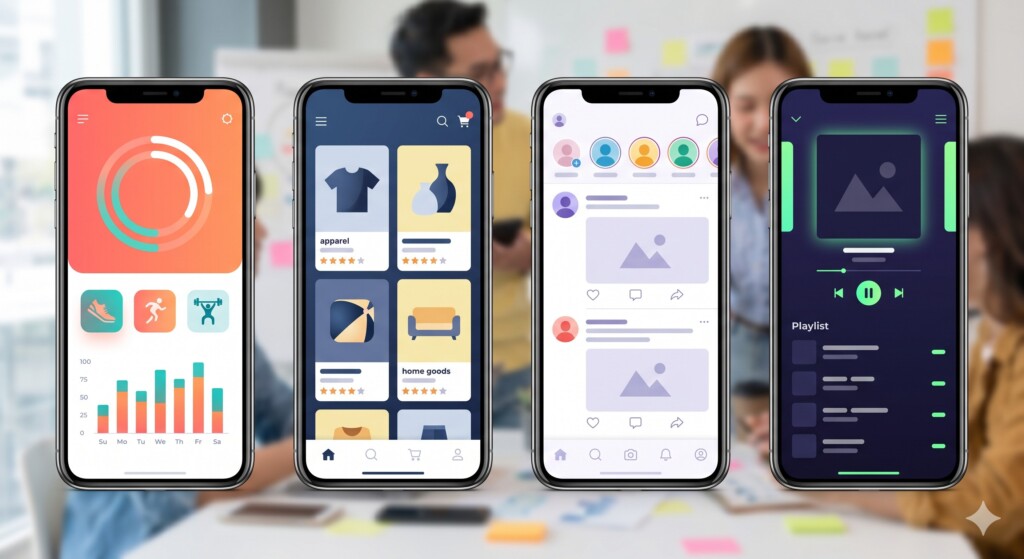
Minimalism in UI design empowers users to focus on what matters most by stripping away distractions and reducing cognitive load. This design philosophy leans into generous white space, uncluttered layouts, and essential-only features, guiding users smoothly through their journeys. Minimalist design is not about dullness or lack of personality; rather, it is about intentional clarity and prioritization. Contemporary applications that exemplify these traits often see increased user satisfaction and retention. Many successful apps, including top-rated productivity tools, intentionally limit the number of visual elements on each screen. Buttons are appropriately sized, content is grouped logically, and unnecessary text is minimized. Such deliberate choices ensure users are never overwhelmed. As minimalism moves beyond trend status to become best practice, it provides a reliable, user-centric foundation for new mobile experiences.
Incorporating 3D Elements
One of the most compelling recent shifts in mobile UI design has been the introduction of 3D elements. The integration of three-dimensional features, from icons with lifelike shadows to more dynamic, interactive objects, adds a sense of realism and engagement. Samsung’s One UI 8.5, for instance, adopted 3D app icons, offering users a tactile illusion that deepens their connection to the interface. 3D effects create visual hierarchy and guide user actions by making interactive components stand out. When thoughtfully implemented, these features can transform a standard interface into an inviting, immersive environment. The popularity of 3D avatars, animated loaders, and layered backgrounds in many gaming and lifestyle apps also points to user appreciation for designs that go beyond flat, static designs.
Personalization and AI Integration
AI-powered personalization is revolutionizing the way users interact with their favorite mobile applications. By collecting behavioral data and analyzing usage patterns, AI systems can suggest relevant content, automate repetitive tasks, and make proactive recommendations. Customization features, from selectable themes and dynamic layouts to content feeds adapting in real time, deepen emotional engagement and increase dwell time. These smart integrations can be seen in health and wellness apps, news aggregators, and even finance platforms, where users receive relevant notifications based on past interactions and preferences. The feedback loop created by AI not only benefits users but also provides valuable insights for continual improvement.
Ensuring Intuitive Navigation
Navigation is the backbone of app usability. When users open an application, they expect to move fluidly between screens and quickly find what they need without wasted effort. Achieving this depends on consistent navigation elements, logical page hierarchy, and intuitive placement of buttons and gestures. Users of all abilities should feel confident and in control, reducing frustration and improving overall satisfaction. Top-performing apps often leverage well-known navigation paradigms, such as bottom navigation bars, hamburger menus, and floating action buttons, ensuring familiarity while offering subtle innovations. Icons are appropriately labeled, transitions are seamless, and feedback is immediate. The goal is to create a mental map users can easily understand and recall, helping them return to your app again and again.
Case Studies of Effective UI Designs
Learning from current leaders is one of the best ways to hone effective mobile app designs. Duolingo, a language-learning app, stands out by blending gamification with a bright, friendly aesthetic and concise, modular lessons. Its interface is free of clutter, guiding users through each step and rewarding progress without interrupting the learning flow. Similarly, Spotify excels at balancing a rich feature set with clear segmentation and personalized recommendations, offering users perfectly tuned content and effortless switching between playlists. Studying these apps highlights key themes of clarity, engagement, and thoughtful interaction. The most celebrated interfaces across industries prioritize emotional resonance just as much as technical precision.
Conclusion
Staying ahead in the world of mobile app UI design requires a deliberate blend of tried-and-true principles and bold new ideas. Minimalism, immersive elements like 3D, personalized experiences driven by AI, and instantly understandable navigation are all hallmarks of apps that succeed in today’s competitive digital market. By drawing inspiration from proven industry leaders, utilizing deep resources, and constantly refining based on feedback, developers can create apps that not only look good but also foster lasting user loyalty.
