
Macroeconomic Shifts in Residential Real Estate and Financing

For many, the dream of homeownership or expanding a real estate portfolio remains strong, even as the landscape of residential real estate and its financing continues to shift dramatically in 2026. 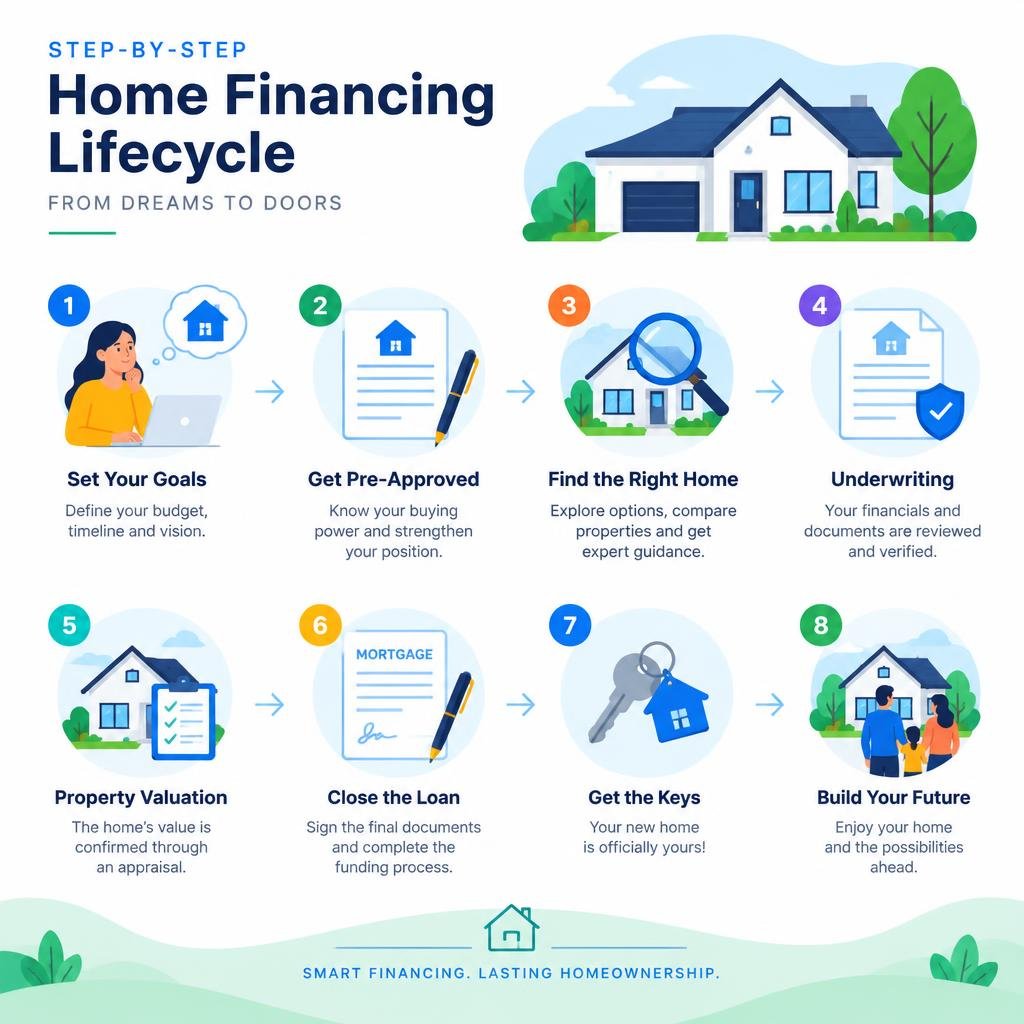 The current environment, marked by elevated interest rates with the 10-year Treasury yield near 4%, rising construction costs, and dynamic regional market conditions, demands a well-informed approach. Understanding these complexities is more crucial than ever for both prospective homeowners and seasoned investors.
We will explore the key macroeconomic shifts impacting residential real estate and financing. We will delve into the various mortgage loan structures and lending programs available today. Our discussion will also cover the strategic steps in the modern home purchasing journey, from underwriting to property valuation. Furthermore, we will examine institutional real estate trends and capital strategies, including adaptive reuse and workforce housing initiatives. Accessing up-to-date market data and property listings through a robust national real estate platform can be a critical first step for any serious buyer or investor. Join us as we navigate the opportunities and challenges in this evolving market, providing the insights needed to make confident decisions.
The residential real estate market in 2026 is a complex tapestry woven with threads of global economics, national monetary policy, and localized supply-demand dynamics. We are witnessing a period where the Federal Reserve’s actions, particularly concerning interest rates, reverberate through every segment of the housing sector. The broader financial accounts of the United States, as detailed in the Federal Reserve’s Z.1 reports, show a continued growth in total residential mortgage liabilities, projected to reach approximately $14.77 trillion by 2025, with the household sector holding the vast majority of this debt. This growth, however, is tempered by significant shifts in the secondary market, where government-sponsored enterprises (GSEs) like Fannie Mae and Freddie Mac, along with Ginnie Mae, continue to dominate agency Mortgage-Backed Securities (MBS). Interestingly, non-bank lenders now originate over 80% of all agency mortgages, a historic high, indicating a fundamental restructuring of the lending landscape. This shift towards non-bank entities, while increasing competition and potentially altering risk profiles, also highlights changes in liquidity trends and capital allocation across the industry.

Core Drivers of Residential Real Estate and Financing Costs
The cost of financing residential real estate is intrinsically linked to several core macroeconomic indicators. At the forefront are Treasury yields, particularly the 10-year Treasury, which serves as a benchmark for long-term fixed-rate mortgages. With the 10-year Treasury consistently hovering near 4% in 2026, financing costs remain elevated. This sustained level reflects underlying inflation benchmarks and the broader economic outlook. Credit availability, while generally stable, can tighten or loosen based on lender risk appetite and regulatory pressures, directly influencing who qualifies for a loan and on what terms. Mortgage spreads – the difference between the mortgage rate and the Treasury yield – are also a crucial factor, reflecting lender profitability and market competition.
In this environment, we observe distinct patterns in refinancing activities. Higher interest rates have diminished the appeal of traditional rate-and-term refinancing, which aims to lower monthly payments or shorten loan terms. Instead, cash-out refinancing has surged, becoming the primary reason for homeowners to refinance. This allows homeowners to tap into their accumulated home equity, often to fund renovations, consolidate debt, or provide liquidity, even if it means accepting a higher interest rate than their original mortgage. For those seeking to understand these intricate market movements and their impact on personal financing, resources that offer data-driven analysis of market size, mortgage rates, and financing shifts can be invaluable. A comprehensive national real estate platform can provide tools for real-time listings, valuation insights, and personalized financing guidance, helping individuals navigate these complex decisions.
Regional Supply Imbalances and Multifamily Influx
While national trends provide a broad overview, regional dynamics often tell a more nuanced story. South Florida, for instance, exemplifies a market grappling with both robust demand and the challenges of significant new supply. Multifamily permitting has seen substantial year-over-year increases in major urban centers, with New York up 47.9% and Los Angeles nearly doubling. This surge in housing starts is designed to address persistent housing shortages, but it also creates localized conditions of oversupply in specific submarkets.
In areas like South Florida, this influx of multifamily units, particularly in the Class A segment, has led to increased rent concessions as developers compete for tenants. This can impact investment returns, especially for value-add strategies in Class B properties, as the gap between Class A and B rents narrows. Developers are navigating high construction costs and interest rates by exploring diverse financing strategies, including C-PACE loans for energy-efficient projects and bridge loans to cover short-term capital needs. Property taxes are also a significant consideration, with Miami’s collections expected to more than double over a decade, reflecting rising property values and the need for municipal services. These regional variations underscore the importance of localized market reports and expert analysis when making investment decisions.
Comprehensive Mortgage Loan Structures and Lending Programs
Navigating the residential real estate market in 2026 requires a thorough understanding of the various mortgage loan structures and lending programs available. Capital allocation from lenders is directly influenced by underwriting parameters, conforming limits set by agencies like Fannie Mae and Freddie Mac, and their assessment of interest rate risk. Borrowers today have a range of options, each with distinct advantages and requirements.
Conventional vs Government-Backed Mortgages
The most common types of mortgages fall into two broad categories: conventional and government-backed.
Conventional Mortgages: These loans are not insured or guaranteed by a government agency. They are typically offered by private lenders and often adhere to the underwriting standards set by Fannie Mae and Freddie Mac for loans that they purchase or securitize. Conventional fixed-rate loans can be secured with down payments as low as 3% for qualified borrowers, though a down payment of less than 20% usually requires private mortgage insurance (PMI).
Government-Backed Mortgages: These loans are insured or guaranteed by federal agencies, making them more accessible to a broader range of borrowers, particularly first-time homebuyers or those with lower credit scores.
- FHA Loans: Insured by the Federal Housing Administration, FHA loans require a minimum down payment of 3.5%. They are popular for their more flexible credit requirements but do require both upfront and ongoing mortgage insurance premiums.
- VA Loans: Guaranteed by the Department of Veterans Affairs, VA loans offer significant benefits to eligible service members, veterans, and surviving spouses, including up to 100% financing (0% down payment) and no private mortgage insurance.
- USDA/Rural Development Loans: These loans are for properties in eligible rural areas and offer 100% financing to low- and moderate-income borrowers.
Understanding the nuances of these options is crucial for selecting the most suitable financing. For example, while FHA loans offer lower down payments, the mortgage insurance can add to the long-term cost. VA loans, conversely, offer exceptional terms for eligible individuals.
Here’s a simplified comparison of these common loan types:
Feature Conventional Loan FHA Loan VA Loan Jumbo Loan Down Payment As low as 3% (typically 20% to avoid PMI) Minimum 3.5% 0% (for eligible borrowers) Varies, often 10-20% or higher Mortgage Insurance PMI required if <20% down payment Required (upfront & annual) No PMI May be required depending on lender/LTV Credit Score Typically higher (mid-600s and above) More flexible (mid-500s and above) More flexible (no minimum set by VA) High (typically 700s and above) Loan Limits Conforming limits (set by Fannie/Freddie) Set by FHA, varies by county No maximum set by VA (but lender limits apply) Exceeds conforming limits Eligibility Broad, based on credit, income, and assets Broad, more flexible for some borrowers Eligible veterans, service members, spouses High-net-worth individuals, large loan amounts Property Type Primary, secondary, investment properties Primary residence only Primary residence only Primary, secondary, investment properties
Specialized Financing and Asset-Based Mortgages
Beyond conventional and government-backed options, specialized financing solutions cater to unique borrower profiles, particularly high-net-worth individuals or those with non-traditional income streams.
Asset-Depletion and Pledged-Asset Loans: For clients with significant investment portfolios but lower W-2 income, asset-based financing can be a game-changer. Asset-depletion qualification allows borrowers to use their liquid assets (e.g., investment accounts, retirement funds) to qualify for a mortgage, calculating a monthly income based on a percentage of these assets. Pledged-asset or securities-backed mortgages go a step further, using a portion of a client’s investment portfolio as collateral for the loan, rather than requiring its liquidation. This strategy offers several advantages: it preserves investment growth, avoids potential capital gains taxes from selling assets, and provides greater debt-to-income (DTI) flexibility. These types of loans are particularly beneficial for entrepreneurs, self-employed individuals, or those with concentrated stock positions or equity compensation. They allow clients to purchase a home without disrupting their long-term wealth accumulation strategies. An experienced independent residential mortgage broker specializing in these bespoke solutions can be instrumental in structuring such complex financing, ensuring that clients can leverage their wealth effectively without liquidating valuable assets.
Strategic Steps in the Modern Home Purchasing Journey
The journey to homeownership in 2026 is more streamlined yet still demands meticulous attention to detail. From the initial application to closing, each step is critical for a smooth and successful transaction.

Modern Underwriting in Residential Real Estate and Financing
The underwriting process has evolved significantly, with automated underwriting systems (AUS) playing a central role. These systems quickly assess a borrower’s creditworthiness, income stability, and asset verification, often providing rapid pre-approval validation. However, human underwriters remain crucial for complex cases or when AUS flags potential issues. Key documentation required includes detailed tax documentation (recent tax returns), employment verification (pay stubs, W-2s, or employment letters), and thorough asset verification (bank statements, investment account statements).
For self-employed borrowers, the process is often more rigorous, requiring multiple years of business tax returns and profit and loss statements. Down payment grants, while helpful for affordability, can also add complexity, as some may have tax implications (e.g., reported on Form 1099-MISC) that need to be understood. Furthermore, the rise of non-Qualified Mortgage (non-QM) guidelines caters to borrowers who don’t fit traditional criteria, such as those with unique income structures or recent credit events, offering alternative paths to financing.
Property Valuation, Escrow, and Hidden Ownership Costs
Beyond securing a loan, understanding the property itself and its associated costs is paramount. Home appraisals are a critical step, ensuring the property’s value supports the loan amount. An independent appraiser assesses the home’s market value, which directly impacts how much a lender is willing to finance.
Escrow accounts are commonly used to manage ongoing property-related expenses. These accounts, funded through monthly contributions from the homeowner, hold funds for property insurance premiums and municipal taxes. This ensures these crucial payments are made on time, protecting both the homeowner’s investment and the lender’s collateral.
However, buyers must also be aware of other “hidden” ownership costs. Closing costs, which can range from 2-5% of the loan amount, include fees for origination, appraisal, title insurance, and legal services. Homeowners insurance is a non-negotiable expense, and its volatility, particularly in regions prone to natural disasters like South Florida, can significantly impact monthly housing budgets. Additionally, for properties within planned communities or condominiums, association assessments (HOA fees) are recurring costs that cover maintenance of common areas and amenities. Accounting for all these elements is essential for accurate financial planning.
Institutional Real Estate Trends and Multifamily Capital Strategies
Institutional investors are continually refining their approaches to residential acquisitions and portfolio strategies, especially in dynamic markets like South Florida. Major players such as Berkshire Hathaway, Ares Management, and Cortland are actively shaping the landscape, often focusing on large-scale multifamily projects and strategic development.
Adaptive Reuse and Workforce Housing Initiatives
A significant trend in 2026 is the focus on adaptive reuse projects, particularly office-to-residential conversions. With office vacancy rates remaining elevated in many urban centers (though Miami’s is notably tighter at 12.5%), converting underutilized office buildings into residential units offers a dual benefit: revitalizing urban cores and addressing housing shortages. However, these projects face substantial financial and regulatory hurdles, including complex zoning reforms, high conversion costs, and the need for significant public subsidies or tax exemptions to make them financially viable.
The Live Local Act in Florida is a prime example of legislation designed to drive affordable and workforce housing development. This act provides incentives such as property tax exemptions and expedited permitting for projects that include affordable units. Despite its potential, developers face challenges in securing approvals from federal housing finance agencies like Fannie Mae, Freddie Mac, and HUD, which often have stringent requirements that don’t always align perfectly with state-level initiatives. These challenges highlight the ongoing tension between local development needs and federal oversight.
Alternative Construction Debt and Sustainable Capital
Developers are navigating high interest rates and construction costs by employing a diverse array of financing strategies. Bridge loans remain common for short-term capital needs, providing flexibility before securing more permanent financing. Construction loans are, of course, fundamental, but their terms are heavily influenced by the prevailing interest rate environment and lender risk assessment.
A shift is the increased adoption of C-PACE (Commercial Property Assessed Clean Energy) financing. This innovative mechanism allows property owners to fund energy efficiency, renewable energy, and resiliency improvements through a special assessment on their property tax bill. For residential projects, C-PACE can cover a significant portion of the capital stack, reducing reliance on traditional, higher-cost debt. For example, Shoma Group secured a $172.5 million C-PACE construction loan for a mixed-use condominium development in North Bay Village. Mezzanine debt also plays a role, filling the gap between senior debt and equity.
Developers are also keenly focused on managing external risks such as insurance cost volatility, which has become a major concern in coastal regions, and persistent supply chain disruptions that can delay projects and inflate budgets. Underwriting new projects now involves more rigorous stress-testing to account for these unpredictable factors, alongside cap rate compression in certain asset classes.
Frequently Asked Questions about Residential Property and Mortgages
Navigating the complexities of residential real estate and financing often brings forth common questions. Here, we address some of the most pressing inquiries for today’s market.
What is the minimum down payment required across major residential mortgage programs?
The minimum down payment varies significantly depending on the type of mortgage program. For conventional loans, it can be as low as 3% for qualified borrowers, though 20% is often recommended to avoid private mortgage insurance (PMI). FHA loans, backed by the Federal Housing Administration, typically require a minimum down payment of 3.5%. For eligible service members, veterans, and surviving spouses, VA loans offer the significant advantage of zero down payment (0% financing). Credit thresholds and other eligibility criteria also play a role in determining how much down payment is required and whether mortgage insurance will be an additional cost.
How does the 10-year Treasury yield influence long-term mortgage interest rates?
The 10-year Treasury yield acts as a crucial benchmark for long-term mortgage interest rates, particularly for fixed-rate mortgages. When the 10-year Treasury yield rises, it generally pushes up the cost of borrowing for lenders, who then pass these increased costs onto consumers in the form of higher mortgage rates. Conversely, a decline in the Treasury yield typically leads to lower mortgage rates. The “spread” between the Treasury yield and the mortgage rate also reflects lender profitability and market conditions. With the 10-year Treasury near 4% in 2026, it implies that fixed-rate mortgage pricing will remain elevated compared to periods of lower Treasury yields, directly impacting affordability and long-term project viability. This relationship is a key factor in the secondary market for Mortgage-Backed Securities (MBS), where these loans are bought and sold.
What role do non-bank lenders play in modern residential originations?
Non-bank lenders have become dominant players in the modern residential mortgage market. In 2026, they originate over 80% of all agency mortgages (those eligible to be purchased by Fannie Mae and Freddie Mac). This significant share highlights their processing efficiency and ability to offer specialized loan products that cater to a wider range of borrowers. While traditional banks remain important, non-bank lenders have carved out a substantial niche by focusing on mortgage origination as their primary business, often leveraging technology to streamline the application and underwriting process. Their presence contributes to credit liquidity in the market and offers consumers more options, though it also shifts some of the risk profiles within the financial system.
Conclusion
The residential real estate and financing landscape in September 2026 is characterized by both challenges and opportunities. From elevated interest rates and construction costs to evolving market dynamics in regions like South Florida, a nuanced understanding is essential. We’ve seen how macroeconomic shifts, driven by Federal Reserve policy and the 10-year Treasury yield, directly impact financing costs and refinancing strategies. The diversity of mortgage products, from conventional and government-backed loans to specialized asset-based financing, offers solutions for various borrower profiles.
For developers, navigating this environment means embracing alternative financing like C-PACE, adapting to legislative changes such as the Live Local Act, and meticulously managing risks like insurance volatility and supply chain disruptions. For individual homebuyers and investors, strategic financing, disciplined budgeting, and seeking expert advisory guidance are paramount. As the market continues to evolve, staying informed and leveraging comprehensive resources will be key to making confident decisions and preserving portfolio value in residential real estate.
