Introduction

The gaming industry constantly battles against illicit devices designed to manipulate slot machines. These tools, often concealed, represent a significant threat to casino security and fair play. Understanding how these concealed jackpot cheat devices operate is vital for casino operators, regulators, and anyone interested in the integrity of modern gaming.
The sophisticated nature of these devices means they can bypass traditional security measures. They aim to exploit vulnerabilities within the complex systems that manage slot-machine jackpots.
In this extensive guide, we will delve into the technical mechanisms behind these devices. We will explore how they spoof signals and target payout logic. Our discussion will also cover which slot machine models are most vulnerable and how modern security protocols mitigate risks. Furthermore, we will examine detection methods, staff training, and the legal frameworks in place to combat these threats. Join us as we uncover the hidden world of slot machine manipulation.
Architecture and Function of Slot Machine Hardware Devices
To comprehend how concealed jackpot cheat devices function, we must first understand the fundamental architecture of a modern slot machine. At its core, a slot machine is a complex electronic system, far removed from its mechanical ancestors. It comprises a microprocessor unit (MPU) that acts as the central brain, executing game logic and managing all peripheral interactions. Input/Output (I/O) controllers facilitate communication between the MPU and various components like the bill validator, coin acceptor, optical coin hopper, and display screens. Physical chassis switches monitor cabinet integrity, while serial interfaces, such as the widely adopted Slot Accounting System (SAS) protocol, enable communication with casino management systems.

The journey of a player’s money begins with the bill validator or coin acceptor. Once accepted, credits are registered electronically. When a payout occurs, the optical coin hopper dispenses coins, or an electronic credit transfer is initiated for ticket-in/ticket-out (TITO) systems. Random Number Generators (RNGs), often implemented in secure, tamper-resistant microcontrollers, ensure the fairness and unpredictability of game outcomes. Security audits and constant monitoring are crucial to maintaining the integrity of these intricate systems.
Interfacing Internal Controllers with Slot Machine Hardware Devices
The communication pathways within a slot machine are critical vulnerabilities that cheat devices exploit. Protocols like SAS and CCTalk (a serial protocol primarily for coin acceptors and hoppers) govern how the MPU interacts with peripheral devices. These protocols transmit data and control signals, including credit accumulation, coin acceptance, and payout commands.
Concealed cheat devices often employ signal injection techniques, where unauthorized electrical pulses or data packets are introduced into these communication lines. This can be achieved through physical tapping into wires, manipulating pinouts on connectors, or even using wireless induction. For instance, an optocoupler line, which uses light to transmit signals between isolated circuits, could be bypassed or interfered with to prevent legitimate signals from reaching their destination or to introduce false ones. By carefully generating voltage pulses that mimic legitimate signals, a cheater can trick the slot machine’s MPU into believing certain events have occurred, such as coins being inserted or a jackpot being won, without actual player action.
Coin Counting Logic and Peripheral Signal Paths
The accuracy of coin counting is paramount to a slot machine’s operation. This process typically involves optical interrupt sensors and a coin comparator. When a coin passes through the coin acceptor, it interrupts a light beam, triggering a signal. The coin comparator verifies the coin’s authenticity by analyzing its metallic properties and dimensions. Each verified coin generates an electronic pulse that is sent to the MPU, incrementing the player’s credit accumulation.
These pulses travel along specific signal paths on the slot machine’s logic boards. The MPU constantly polls these paths, looking for signals that indicate coin insertion. Similarly, when a payout is triggered, the MPU sends signals to a payout relay, which activates the optical coin hopper to dispense the correct number of coins. By understanding the precise timing and voltage characteristics of these legitimate signals, a cheat device can generate identical, but fraudulent, pulses. This allows the perpetrator to accumulate credits or trigger payouts without any actual wager, effectively defrauding the casino.

How Illicit Signal Spoofing Targets Coin Counters and Payout Logic
The core mechanism of many concealed jackpot cheat devices, particularly those targeting older slot machines, revolves around signal spoofing. This involves generating false electronic signals that mimic the legitimate signals produced by a slot machine’s coin counter or other peripheral components. The objective is to trick the machine’s central processing unit into recognizing non-existent events, such as coins being inserted or a jackpot being hit, leading to false payouts.
Historically, devices like the “Remote Jackpotter” (as discussed at Defcon 2006) were designed to send spoofed coin-counter signals. While the exact technical implementation can vary, the principle is to inject a series of electrical pulses that the machine interprets as valid coin insertions. This rapid generation of false credits can quickly inflate a player’s balance, allowing them to cash out a significant sum without genuine play. Other methods might involve optical bypass techniques, where sensors meant to detect coin movement are tricked into registering false counts. The ultimate goal is to manipulate slot machine payout systems, leading to illicit gains.

Comparative Analysis of Physical and Electronic Manipulation
Cheating methods have evolved significantly over the decades, moving from purely physical manipulation to sophisticated electronic attacks. Understanding this evolution helps in appreciating the challenge posed by modern concealed devices.
Cheating Method Description Target Detection Difficulty (October 2026) Financial Impact (per incident) Mechanical Stringing Attaching a string to a coin/slug, inserting it, triggering a credit, then retrieving it. Coin acceptor/optical sensor Low (visible string, repeated action) Low to Medium Slug Insertion Using non-legal tender (slugs) that mimic coins to trigger credits. Coin comparator Medium (physical inspection, weight) Low to Medium Light Wands/Optical Bypass Using a light source to blind or trick optical sensors in coin paths or hoppers. Optical sensors (coin paths, hoppers) Medium (requires direct access) Medium RF Pulse Generators Emitting electromagnetic pulses to interfere with or trigger electronic components. Logic boards, microcontrollers High (invisible, remote) Medium to High Electronic Signal Injection (e.g., Remote Jackpotter) Injecting precise electrical pulses into communication lines to simulate events (e.g., coin insertion, jackpot). Signal paths (SAS, CCTalk) High (requires technical analysis) High Mechanical methods like stringing or slug insertion are crude and generally easier to detect through physical observation or machine audits. Optical light wands, while more advanced, still require some degree of physical proximity or access. In contrast, electronic signal injection devices, especially those that operate remotely, present a much greater challenge. These devices can operate without direct physical tampering, making them harder to spot by floor staff or even standard surveillance. The financial impact of electronic methods can also be substantially higher, as they can rapidly accumulate credits or trigger large payouts in a short timeframe. For a comprehensive guide to understanding and preventing such manipulations in gaming, casino operators often seek specialized resources.
Verifying Device Claims Versus Real-World Floor Feasibility
A significant challenge in assessing the threat of concealed jackpot cheat devices lies in verifying their real-world effectiveness. Many demonstrations of these devices, particularly those marketed illicitly, are presented via video. While these videos may appear convincing, they often lack independent confirmation and are typically conducted under controlled “bench-test” conditions.
On a casino floor, numerous factors can impede a device’s effectiveness. Slot machines are housed in robust cabinets, often with tamper-evident seals and intrusion sensors. Electrical shielding is common to prevent electromagnetic interference, which could also thwart RF-based cheat devices. Furthermore, modern slot machines employ complex security protocols that go beyond simple signal recognition. A device that works in a lab might fail completely when faced with a machine’s secure firmware, encrypted communication, or advanced tamper detection systems. The lack of live, independently verified demonstrations means that while the concept of signal spoofing is valid, the actual effectiveness of specific “jackpot cheat devices” in a real casino environment often remains uncertain. This uncertainty, however, does not negate the potential threat, especially against older or less-secure machines.
Vulnerability Analysis: Legacy Systems Versus Modern Encrypted Terminals
The susceptibility of a slot machine to concealed cheat devices largely depends on its age and technological sophistication. Legacy electromechanical slots and early standalone video slots, designed prior to the widespread adoption of advanced security protocols, are significantly more vulnerable. These machines often rely on simpler, unencrypted signal pathways and discrete relay logic for coin counting and payout mechanisms. Their physical construction might also offer easier access points for internal manipulation.
In stark contrast, modern networked gaming terminals represent a formidable challenge for cheaters. These machines are typically part of a larger casino network, communicating via secure protocols like SAS 6.0 and the Game-to-System (G2S) architecture. These protocols incorporate encryption, authentication, and checksums to ensure data integrity and prevent unauthorized signal injection.
Risk Exposure for Route Operators and Small Gaming Venues
Small “mom-and-pop” casinos, tavern route slots, and other limited gaming venues often face disproportionately higher risks from concealed jackpot cheat devices. Unlike large, integrated resorts with extensive security budgets, these smaller operations typically have:
- Limited Security Resources: Fewer surveillance cameras, less sophisticated monitoring software, and smaller security teams.
- Older Machine Inventory: A higher prevalence of legacy slot machines that are more susceptible to known cheating methods.
- Telemetry Delays: Less robust real-time data analytics, meaning anomalies in machine performance or payouts might not be detected immediately.
- Perimeter Surveillance Limits: Easier physical access to machines without triggering immediate alerts.
For a small business with only a handful of slot machines, a single successful exploit by a concealed device could result in significant financial losses, potentially threatening the business’s viability. Large casinos, while not immune, often have the financial capacity to absorb such losses and invest heavily in advanced countermeasures.
Countermeasures Integrated into Slot Machine Hardware Devices
Modern slot machine manufacturers have implemented a suite of advanced security protocols to mitigate the risks posed by cheating devices:
- Tamper-Evident Seals and Chassis Intrusion Sensors: Physical seals and electronic sensors detect unauthorized access to the machine’s internal components. Any breach triggers an alert and can disable the machine.
- Encrypted Peripheral Bus: Communication between the MPU and peripherals (coin acceptors, bill validators, hoppers) is encrypted, making signal injection much more difficult. Spoofed signals would not be properly authenticated.
- Hardware Root of Trust and Secure Boot: These technologies ensure that only verified and authorized firmware can run on the machine. Any attempt to load malicious code or alter the operating system is prevented.
- Automated Kill-Switches: In the event of detected tampering, unauthorized access, or critical errors, the machine can automatically enter a “tilt” state, cease operation, and alert casino staff and the central system.
- Continuous Self-Diagnostics: Machines constantly monitor their own components and communication pathways for irregularities, voltage fluctuations, or unexpected signal patterns.
These layered defenses make it exceptionally challenging for even sophisticated concealed devices to operate effectively against modern, well-maintained slot machines.
Casino Floor Defense: Detection, Staff Training, and Incident Response
Effective defense against concealed jackpot cheat devices extends beyond technological safeguards; it heavily relies on human vigilance, robust training, and well-defined incident response protocols. Casino operators must empower their staff to be the first line of defense, recognizing subtle cues that might indicate illicit activity.
Surveillance operations play a critical role, utilizing advanced analytics to track telemetry anomalies, such as sudden, unexplained credit spikes or unusual payout patterns on specific machines. Real-time monitoring of electronic gaming terminals, combined with floor audits and meticulous evidence logging, forms a comprehensive security net.
Staff Recognition Protocols and Behavioral Indicators
Casino staff, including floor attendants, security personnel, and pit managers, must be thoroughly trained to recognize behavioral indicators and physical signs associated with remote-controlled cheating:
- Unusual Patron Posture: Players who position themselves awkwardly, shield their hands, or spend excessive time near the machine’s coin slot or bill acceptor without actively playing.
- RF Interference Signs: While rare with modern shielded machines, older models might exhibit subtle glitches, screen flickering, or unexpected restarts if an RF-emitting device is used nearby.
- Rapid Credit Escalation: A machine rapidly accumulating credits without corresponding coin or bill insertions, especially if the player is not actively pressing buttons.
- Repeated Peripheral Obstruction: A player repeatedly obstructing the coin slot, bill validator, or payout tray, potentially to insert a device or manipulate sensors.
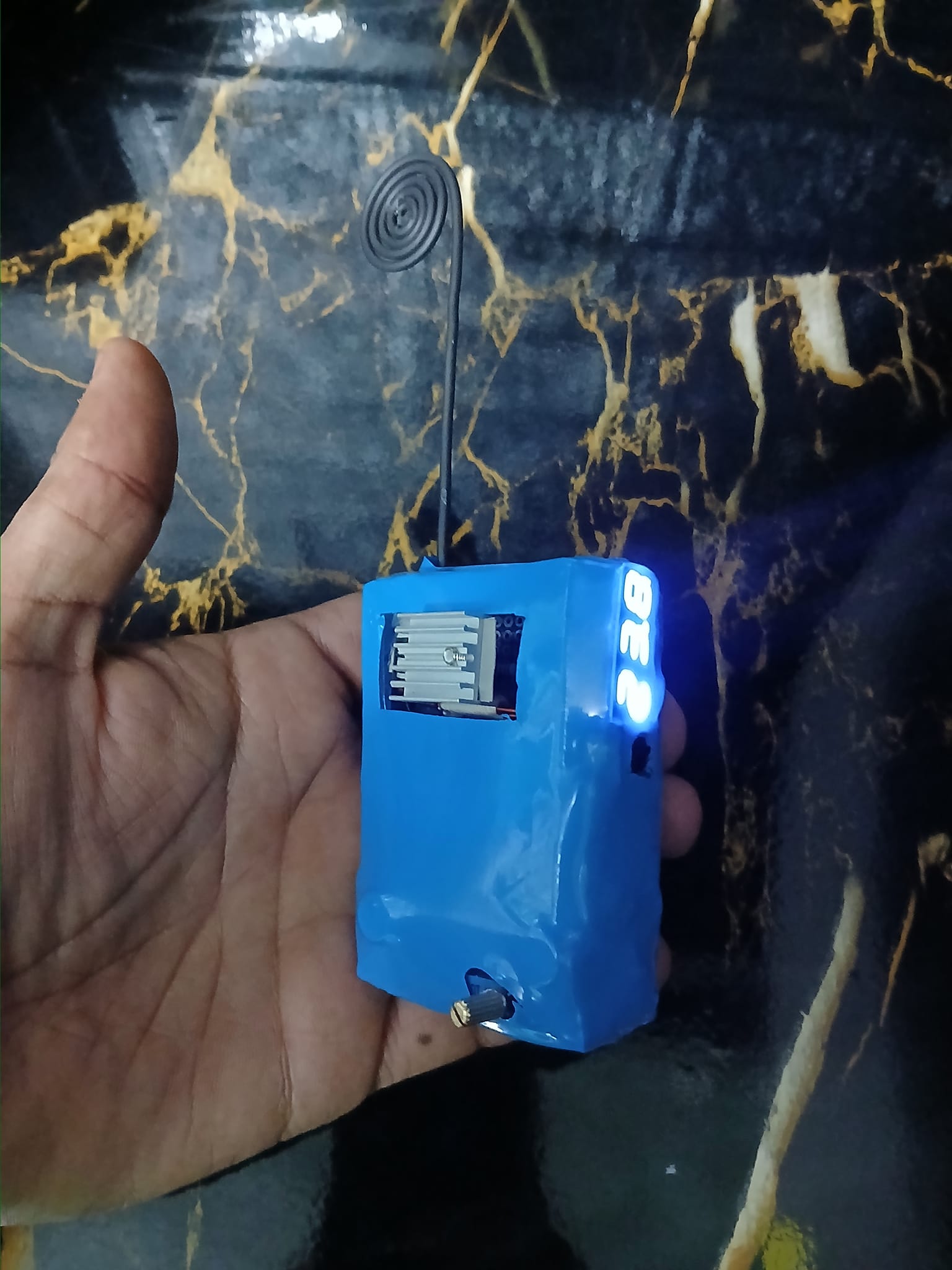
- Unusual Devices: Any small, inconspicuous device held or placed near the machine that doesn’t resemble a typical player accessory (e.g., a phone being used in an odd manner, a small box).
- Floor Sweep Procedures: Regular, unpredictable sweeps by security personnel to observe player behavior and inspect machines for any signs of tampering.
Incident Response and Chain-of-Custody Procedures
When suspicious activity is detected, a swift and coordinated incident response is crucial to preserve evidence and mitigate losses. Casinos should have clear, well-rehearsed procedures in place:
- Machine Isolation:Immediately shut down the suspected machine using the “tilt” or emergency stop function.
- Prevent further play or tampering.
- Secure the area around the machine.
- Surveillance Archive Lock:Notify surveillance immediately to flag and secure all relevant video footage from the time of the incident, including before and after the suspected activity.
- Ensure multiple camera angles are preserved.
- Memory Dump Preservation:If technically feasible and safe, perform a memory dump of the machine’s volatile data, which can contain logs of recent events and potential evidence of manipulation.
- Hardware Seizure and Preservation:If a physical device is suspected or found, it must be carefully secured, photographed in situ, and handled according to strict chain-of-custody protocols to maintain its evidentiary value.
- Avoid touching or altering the device unnecessarily.
- Gaming Board Notification:Promptly inform the relevant gaming regulatory body (e.g., Nevada Gaming Control Board) about the incident, providing all available details and evidence.
- Internal Investigation:Conduct a thorough internal investigation, interviewing staff, reviewing logs, and analyzing all collected evidence.
These steps ensure that any illicit activity is documented, evidence is preserved for potential prosecution, and lessons are learned to strengthen future defenses.
Legal Frameworks and Regulatory Enforcement Across Gaming Jurisdictions
The legal landscape surrounding concealed jackpot cheat devices is robust, reflecting the serious threat they pose to the integrity of the gaming industry. Jurisdictions with established gaming industries, such as Nevada, have specific statutes designed to criminalize the possession, manufacture, and use of such devices.
In Nevada, for example, Nevada Revised Statutes (NRS) 465.070 explicitly addresses “unlawful acts concerning gaming machines.” This statute makes it a felony to use, possess, or manufacture any device intended to facilitate cheating at a gaming establishment. NRS 465.080 further outlines the penalties, which can include significant prison sentences and substantial fines. The Nevada Gaming Control Board (NGCB) is the primary enforcement agency, actively investigating and prosecuting individuals involved in gaming fraud.
The legal liabilities for companies selling such devices are also severe. Even if vendors claim their devices are intended for “legitimate casino owners” or “anti-cheat solutions,” as some have in the past (e.g., the Defcon 2006 case), the intent to defraud can be inferred if the devices are sold to or end up in the hands of criminals. Such companies could face charges of manufacturing cheating devices, conspiracy, and aiding and abetting. Federal laws, particularly those related to wire fraud and interstate commerce, can also come into play if the devices are transported across state lines or if transactions occur electronically, leading to federal prosecution. Regulatory bodies maintain blacklists of individuals and entities involved in gaming fraud, effectively barring them from participating in the industry. The seizure of assets derived from or used in illegal activities is also a common consequence.
Frequently Asked Questions About Slot Security
How do modern slot machines detect unauthorized hardware attachments?
Modern slot machines employ a multi-layered approach to detect unauthorized hardware attachments. This includes:
- Intrusion Switches: Sensors within the machine cabinet detect if doors are opened or panels are removed without authorization, triggering an immediate “tilt” state and alert.
- Bus Heartbeat Signals: Communication buses between the central processor and peripherals send regular “heartbeat” signals. Any interruption or unexpected signal on these lines indicates tampering.
- Encrypted Handshakes: Devices communicate using encrypted protocols, requiring secure “handshakes” for authentication. Unauthorized hardware cannot mimic these encrypted exchanges.
- Voltage Irregularity Sensors: Machines monitor voltage levels on critical circuits. Any unusual fluctuations or power draws can indicate an attached device.
- Automated Lockouts: Upon detecting tampering or suspicious activity, the machine can automatically lock out, ceasing operation and alerting the casino’s central system.
Why are older coin-operated machines more susceptible to pulse spoofing?
Older coin-operated machines are more vulnerable to pulse spoofing primarily due to their less sophisticated security architecture:
- Unencrypted Pulse Lines: The electrical signals indicating coin insertion or payout are often unencrypted, making them easier to mimic with a simple pulse generator.
- Discrete Relay Logic: Many older machines use discrete electronic components and relays rather than integrated circuits with complex firmware, offering fewer layers of digital security.
- Lack of Bidirectional Verification: Communication between the coin acceptor and the main board might be unidirectional, meaning the main board simply accepts the coin signal without verifying its origin or authenticity.
- Analog Optical Sensors: Older optical sensors can sometimes be easily tricked by external light sources or physical obstructions.
- Physical Hopper Access: Older designs might offer easier physical access to internal wiring or components, facilitating the attachment of cheat devices.
What legal consequences do vendors face when selling manipulation hardware?
Vendors who sell manipulation hardware face severe legal consequences, even if they claim the devices are for legitimate purposes. These can include:
- Manufacturing Cheating Devices: Direct charges for producing illegal gaming equipment.
- Conspiracy Charges: If there’s evidence of collaboration with individuals who use the devices for cheating.
- Intent Prosecution: Prosecutors can argue that by selling a device capable of cheating, the vendor implicitly or explicitly intended for it to be used for illegal purposes, regardless of their stated claims.
- Seizure of Assets: Any profits, equipment, or property linked to the illegal sale of these devices can be seized by law enforcement.
- Regulatory Blacklisting: Vendors and their associated companies can be blacklisted by gaming authorities, preventing them from ever legally operating within the gaming industry.
- Federal Charges: Depending on the scale and interstate nature of the operation, federal charges such as wire fraud, mail fraud, or racketeering could also apply.
Conclusion
The battle against concealed jackpot cheat devices is an ongoing testament to the continuous evolution of both security measures and illicit ingenuity. While the technical sophistication of these devices can be impressive, often leveraging principles of signal spoofing and hardware manipulation, the gaming industry has responded with equally advanced countermeasures. From the robust, encrypted communication protocols of modern slot machines to the vigilant training of casino staff and stringent regulatory enforcement, a multi-layered defense is in place.
Understanding the internal architecture of slot machines, the vulnerabilities of legacy systems, and the sophisticated security protocols of modern terminals is crucial. Proactive surveillance, rigorous staff training on behavioral indicators, and meticulously planned incident response procedures form the human element of this defense. Coupled with comprehensive legal frameworks and aggressive regulatory enforcement, the industry strives to ensure that the integrity of gaming remains paramount, safeguarding both the casino’s assets and the fairness of play for every patron. The future of slot machine security lies in continuous innovation, adaptation, and unwavering commitment to ethical gaming practices.
