Essential Residential Electrical Services for Modern Living

Modern homes are dynamic environments, constantly evolving with new technologies and increased power demands. To keep pace, your electrical system needs to be more than just functional; it must be robust, reliable, and compliant with the latest safety standards. Certified electricians in Indianapolis offer comprehensive residential and commercial electrical services designed to ensure your home’s electrical infrastructure is up to the task, providing ample power capacity, unwavering system reliability, and adherence to all local and national electrical codes.
We understand that every home has unique electrical needs, whether you’re embarking on a major renovation or simply looking to enhance your living space with smart technology. Our goal is to empower homeowners with the knowledge to make informed decisions about their electrical systems, ensuring both safety and efficiency for years to come.
Core Residential Electrical Services for Home Renovations
When undertaking home renovations, the electrical system often requires significant attention. An experienced, certified electrician can assess your current setup and recommend upgrades that not only meet current demands but also anticipate future needs. Key services in this area include:
- Electrical Panel Upgrades: The electrical panel is the heart of your home’s electrical system. Older homes often have 100-amp panels, which can struggle to support the array of modern appliances and devices. Upgrading to a 200-amp service, or even higher, provides increased capacity, reduces the risk of tripped breakers, and ensures a stable power supply throughout your home. This is a foundational upgrade for any significant renovation.
- Whole-Home Rewiring: For homes with outdated or hazardous wiring (such as knob-and-tube or aluminum wiring), a complete rewiring project is essential for safety and functionality. This involves replacing old wires with new, code-compliant copper wiring, ensuring proper grounding, and installing modern outlets and switches. While a significant undertaking, it eliminates fire risks and improves overall electrical performance.
- Circuit Breaker Installation and Replacement: Circuit breakers are crucial safety devices that automatically cut off power to a circuit when an overload or short circuit occurs. Certified electricians can install new breakers, replace faulty ones, and ensure your panel is properly balanced to prevent frequent tripping and protect your appliances.
- Dedicated Circuits: High-power appliances like refrigerators, washing machines, microwaves, and air conditioning units require dedicated circuits. These circuits provide a direct power line from the electrical panel, preventing overloads that can occur when multiple high-draw appliances share a single circuit. Installing dedicated circuits is vital for appliance longevity and safety.
To illustrate the importance of panel upgrades, consider the comparison between common residential electrical panel capacities:
Feature/Capacity 100-Amp Electrical Panel 200-Amp Electrical Panel Typical Age Older homes (pre-1970s) Modern homes (post-1970s) and renovated older homes Power Capacity Limited, often insufficient for modern demands Ample, supports multiple high-draw appliances and devices Common Issues Frequent tripped breakers, flickering lights, warm outlets Reliable power, fewer overloads Best For Homes with minimal electrical needs, few large appliances Homes with modern appliances, smart tech, EV charging Safety Implications Higher risk of overloads, potential fire hazard Enhanced safety, greater protection against electrical issues Future-Proofing Poor, limits future additions and technology Excellent, accommodates future electrical growth Advanced Residential Electrical Services for Clean Energy and Smart Tech
As we move towards October 2026, homes are becoming increasingly intelligent and energy-conscious. Certified electricians are at the forefront of integrating these advanced solutions into your home:
- EV Charging Station Installation: With the rise of electric vehicles, having a dedicated home charging station is a significant convenience. Electricians can install Level 2 (240-volt) chargers, which provide much faster charging times than standard wall outlets, ensuring your EV is ready when you are.
- Standby Generator Systems: For unparalleled peace of mind, a whole-home standby generator automatically kicks in during power outages, keeping your essential systems—and even your entire home—running smoothly. We can help you select and install the right generator size and type for your specific needs, ensuring your family stays comfortable and safe during unexpected disruptions.
- Whole-Home Surge Suppression: Power surges, whether from lightning strikes or utility fluctuations, can severely damage sensitive electronics and appliances. A whole-home surge protector installed at your electrical panel offers comprehensive protection, safeguarding all connected devices from destructive voltage spikes.
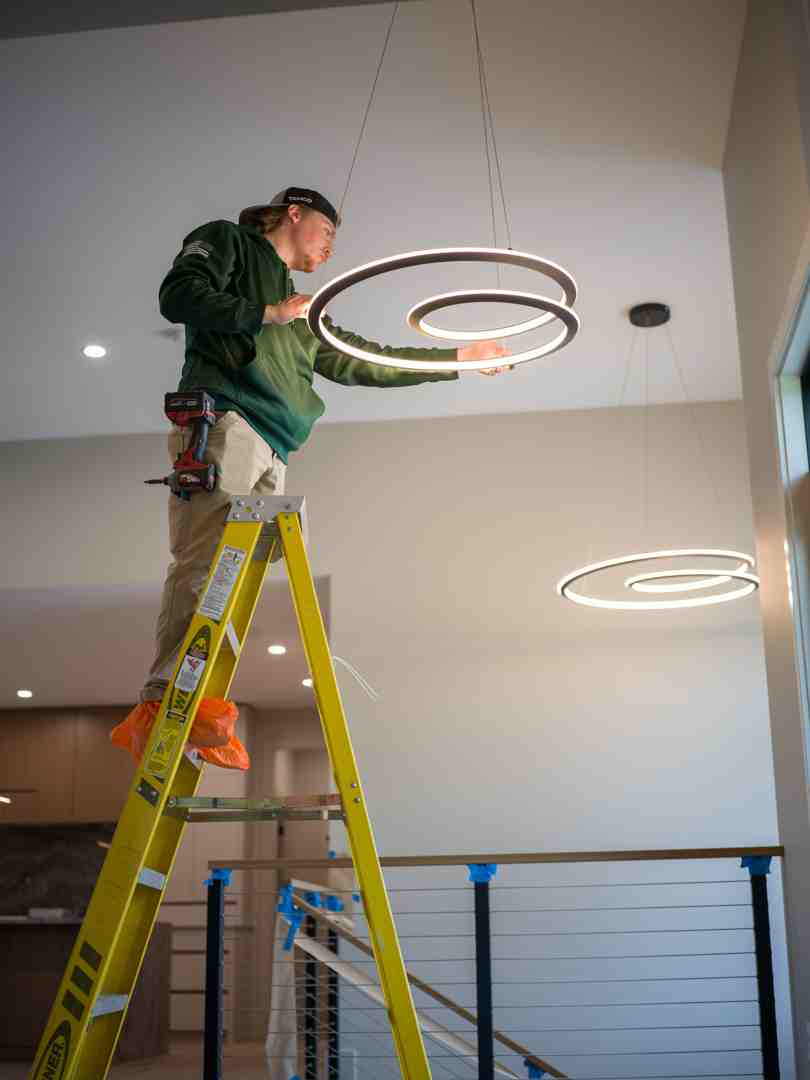
- Smart Lighting Solutions: Beyond simple on/off, smart lighting systems offer unparalleled control, energy efficiency, and ambiance. Electricians can install and configure smart switches, dimmers, and fixtures that integrate with your home automation system, allowing you to control lighting remotely, set schedules, and even adjust color temperature.
- Load Management Systems: For homes with high energy consumption, load management systems intelligently distribute power to prevent overloads and optimize energy usage. This is particularly beneficial when integrating new high-draw systems like EV chargers or solar panels, ensuring your electrical system operates efficiently without exceeding its capacity.
When and Why to Modernize Aging Electrical Systems

An aging electrical system can be more than just an inconvenience; it can pose significant safety hazards, lead to power surges that damage electronics, and even impact your home’s insurance eligibility and property valuation. As homes grow older, their electrical infrastructure often struggles to keep up with contemporary power demands, creating a silent risk within your walls. Modernizing your electrical system is a proactive step that protects your family, preserves your property, and enhances your home’s overall functionality and value.
Signs Your Electrical Infrastructure Needs an Upgrade
Recognizing the warning signs of an outdated or failing electrical system is crucial for preventing potential hazards and ensuring your home’s safety. Keep an eye out for these common indicators:
- Flickering or Dimming Lights: If your lights frequently flicker, dim, or buzz, especially when appliances turn on, it could signal an overloaded circuit or inadequate wiring. This is a clear indication that your electrical system is struggling to deliver consistent power.
- Frequently Tripping Breakers: Circuit breakers are designed to trip when a circuit is overloaded, preventing overheating and potential fires. However, if your breakers are tripping regularly, it means your system is consistently exceeding its capacity, indicating a need for panel upgrades or additional circuits.
- Warm Outlets or Switch Plates: Outlets or switch plates that feel warm to the touch are a serious warning sign of overheating, which can be caused by loose connections, faulty wiring, or excessive current draw. This poses a significant fire risk and requires immediate attention from a certified electrician.
- Two-Pronged (Ungrounded) Outlets: Many older homes still have two-pronged outlets, which lack a ground wire. Grounding provides a safe path for electricity in case of a fault, protecting people from electrical shock and sensitive electronics from damage. Upgrading to three-pronged, grounded outlets is a vital safety enhancement.
- Aluminum Wiring: If your home was built between the mid-1960s and mid-1970s, it might have aluminum wiring. While initially used as a cost-effective alternative to copper, aluminum wiring has been linked to fire hazards due to its tendency to expand and contract, leading to loose connections and overheating at splice points and terminals. A certified electrician can assess and remediate aluminum wiring issues.
- Burning Smells or Discoloration: Any burning smell emanating from outlets, switches, or your electrical panel, or visible scorch marks around electrical components, indicates a severe problem that requires immediate professional intervention.
The Importance of Routine Electrical Safety Inspections
Just like your car needs regular maintenance, your home’s electrical system benefits from routine inspections. These inspections are not just about fixing problems; they are about proactive hazard detection, ensuring code compliance, and extending the lifespan of your electrical infrastructure.
- Hazard Detection: A thorough inspection by a certified electrician can identify hidden dangers such as faulty wiring, overloaded circuits, ungrounded outlets, and outdated components that could lead to shocks or fires. This proactive approach can prevent serious accidents.
- Code Compliance: Electrical codes are regularly updated to enhance safety. An inspection ensures your home’s wiring and components meet the latest National Electrical Code (NEC) standards and local regulations, which is often crucial for insurance purposes and home sales.
- Preventative Maintenance: Identifying minor issues before they escalate into major problems can save you significant repair costs down the line. An electrician can tighten loose connections, replace worn-out components, and recommend necessary upgrades.
- Home Purchases and Sales: Before buying or selling a home, an electrical inspection provides peace of mind for buyers and can help sellers address issues that might deter potential purchasers or complicate insurance coverage.
- Post-Storm Damage Assessment: After severe weather events, such as lightning strikes or heavy winds, an electrical inspection can identify damage to your home’s electrical system that may not be immediately apparent, preventing future failures or hazards.
Selecting a Certified Electrician for Home Upgrades
Choosing the right certified electrician in Indianapolis is paramount for the success and safety of your home’s electrical upgrades. This isn’t a task to be taken lightly, as improper electrical work can lead to dangerous situations and costly repairs. When evaluating potential contractors, prioritize those who demonstrate strong licensing verification, comprehensive liability insurance, stringent safety protocols, and a transparent evaluation process. Your home deserves the expertise of a professional who not only understands the intricacies of electrical systems but also adheres to the highest standards of quality and safety.
Critical Qualifications and Certifications to Look For
The electrical trade is highly regulated for good reason. When seeking an electrician for your Indianapolis home, always verify their credentials:
- Journeyman Certification: A journeyman electrician has completed a rigorous apprenticeship program (typically 4-5 years) and passed a state-mandated exam. This certification signifies a high level of skill and experience, allowing them to work independently on most electrical projects. Many reputable training programs, such as those offered by IEC-Indy, provide the foundation for earning this crucial certification.
- Master Electrician: A master electrician represents the pinnacle of the trade. They possess extensive experience, typically at least two years as a journeyman, and have passed an even more challenging exam. Master electricians are qualified to design, plan, and supervise complex electrical systems and are often responsible for ensuring all work meets code. Many leading electrical service providers in Indianapolis boast master-certified electricians on their team, often with over fifteen years of industry experience.
- Apprenticeship Credentials: Ensure the electricians working on your project have completed or are currently enrolled in a recognized apprenticeship program. This structured training combines classroom instruction with on-the-job experience, ensuring they learn the trade thoroughly and safely.
- Permit Acquisition and Local Codes: A qualified electrician will be knowledgeable about local electrical codes and will handle the necessary permit acquisition for your project. Permits ensure that the work is inspected by municipal authorities and complies with safety regulations, protecting you from potential liabilities and ensuring the work is done correctly.
- Licensed, Bonded, and Insured: This trifecta is non-negotiable. A licensed electrician is legally authorized to perform electrical work. Being bonded provides financial protection in case the contractor fails to complete the job or meet contractual obligations. Insurance (specifically liability and worker’s compensation) protects you from financial responsibility if an accident occurs on your property or if property damage results from their work. Always ask for proof of current licensing and insurance.
Preparing Your Home for an Electrical Service Call
A little preparation before your electrician arrives can make the service call more efficient and cost-effective. By taking a few simple steps, you can help the technician diagnose and resolve issues more quickly.
- Clear the Workspace: Ensure the areas around your electrical panel, outlets, switches, and any appliances needing service are clear of furniture, boxes, and clutter. This provides the electrician with easy access and a safe working environment.
- Ensure Panel Access: Your main electrical panel is usually located in a basement, garage, or utility closet. Make sure it’s easily accessible and not blocked by storage items.
- Document the Issue: Before the electrician arrives, take notes on the problems you’ve observed. When do lights flicker? Which outlets aren’t working? What was happening when the breaker tripped? Specific details can help pinpoint the root cause faster.
- Identify Problematic Appliances: If an appliance seems to be causing the electrical issue, make a note of its location and type. Be prepared to unplug it or move it if necessary.
- Consider Your Questions: Prepare a list of questions you want to ask the electrician about the problem, the proposed solution, and any recommendations for future upgrades.
Here’s a helpful checklist to prepare for your electrician’s visit:
- Clear a path to the electrical panel and any affected areas.
- Remove obstructions from around outlets, switches, and light fixtures.
- Consolidate your observations about the electrical problem (when, where, how often).
- Gather any relevant documents like previous repair invoices or appliance manuals.
- Secure pets to prevent interference or accidental injury.
- Charge your phone in case you need to communicate or show photos/videos of the issue.
- Turn off computers and sensitive electronics if you anticipate a power interruption.
Frequently Asked Questions About Home Electrical Upgrades
Home electrical upgrades can seem complex, but understanding common questions can help demystify the process and empower you to make informed decisions.
What are the most common signs that an electrical panel needs replacing?
An electrical panel is a critical component of your home’s safety and functionality. Several signs indicate it might be time for an upgrade or replacement:
- Frequent Breaker Trips: If your circuit breakers are constantly tripping, especially when you use common appliances, it’s a strong sign your panel is overloaded and can’t handle your home’s power demands.
- Burning Smells or Discoloration: Any burning odor coming from the panel or visible scorch marks on the panel or surrounding wall indicate severe overheating and an immediate fire hazard.
- Panel Buzzing or Crackling Sounds: Unusual noises from your electrical panel, such as buzzing, humming, or crackling, can signal loose wiring or faulty components that require urgent attention.
- Appliance Failure or Damage: If your appliances are frequently failing or experiencing damage, it could be due to inconsistent power delivery or voltage fluctuations caused by an aging or inadequate electrical panel.
- Outdated Fuse Box: If your home still uses a fuse box instead of a modern circuit breaker panel, it’s definitely time for an upgrade. Fuse boxes offer less protection and capacity than contemporary panels.
- Panel Age: Electrical panels typically have a lifespan of 25-40 years. If your panel is nearing or exceeding this age, even without obvious problems, it’s wise to have a certified electrician inspect it for potential issues and recommend a proactive replacement.
How do modern electrical upgrades improve home energy efficiency?
Modern electrical upgrades contribute significantly to reducing your home’s energy consumption and utility bills:
- Smart Controls and Automation: Installing smart thermostats, lighting controls, and smart plugs allows you to precisely manage energy usage. You can schedule lighting, turn off devices remotely, and optimize heating/cooling, leading to substantial energy savings.
- LED Lighting Integration: Replacing traditional incandescent or fluorescent bulbs with energy-efficient LED lighting dramatically reduces electricity consumption. LEDs use significantly less power, last longer, and generate less heat, further contributing to energy savings.
- Load Balancing and Optimization: A properly upgraded electrical panel ensures that power is distributed efficiently across your home. This prevents circuits from being overloaded, reduces wasted energy, and allows your appliances to operate at optimal efficiency.
- Reduced Heat Generation: Older, inefficient electrical systems can generate excessive heat due to resistance in wiring or overloaded circuits. Upgrading to modern, properly sized wiring and components reduces this heat, making your system more efficient and safer.
- Power Optimization for Appliances: With stable and adequate power delivery, your appliances can run more efficiently. Fluctuations or insufficient power can force appliances to work harder, consuming more energy than necessary.
- Electric Vehicle (EV) Charging Infrastructure: While EV charging itself consumes energy, installing a dedicated Level 2 charger ensures efficient power transfer to your vehicle, minimizing charging time and maximizing energy utilization compared to slower, less efficient charging methods.
What should homeowners verify before hiring an electrical contractor?
Hiring an electrical contractor is a significant decision. To ensure you’re making the best choice for your home and safety, always verify the following:
- Active Licensing: Confirm that the electrician and their company hold current and valid licenses issued by the appropriate state or local authorities. This ensures they meet professional standards and are legally permitted to perform electrical work.
- Comprehensive Insurance Coverage: Request proof of both liability insurance and worker’s compensation insurance. Liability insurance protects you in case of property damage caused by their work, while worker’s compensation covers their employees if they are injured on your property.
- Transparent and Detailed Estimates: A reputable contractor will provide a clear, written estimate that outlines the scope of work, materials, labor costs, and any potential contingencies. Be wary of contractors who provide vague quotes or demand large upfront payments.
- Permit Handling: Ensure the contractor will obtain all necessary permits for the electrical work. This is crucial for compliance with local building codes and ensures the work will be inspected for safety and quality.
- Customer References and Reviews: Ask for references from previous clients and check online reviews. This provides insight into their reputation, professionalism, and the quality of their work. Companies with strong customer satisfaction guarantees and transparent practices are often a good indicator of reliability.
- Experience with Similar Projects: Inquire about their experience with projects similar to yours, whether it’s a panel upgrade, rewiring, or EV charger installation. Specialized experience can be a significant advantage.
- Warranty or Guarantees: A trustworthy electrician will stand behind their work. Ask about any warranties on labor or installed parts. Some companies offer specific guarantees, such as “no guesswork” or “100% money-back satisfaction.”
Conclusion
In October 2026, the demands on our home electrical systems are greater than ever before. From powering smart devices and electric vehicles to simply ensuring the safe and efficient operation of everyday appliances, a robust and modern electrical infrastructure is no longer a luxury but a necessity. Upgrading your home’s electrical system with the help of a certified electrician in Indianapolis is an investment in safety, efficiency, and future-proofing your property.
We’ve explored the extensive range of services available, from essential panel upgrades and rewiring to advanced solutions like EV charging and whole-home surge protection. We’ve also highlighted the critical qualifications to look for in an electrician and the importance of recognizing the signs that your system needs attention. By prioritizing electrical safety, embracing energy reliability, and opting for professional installation, you ensure your home is equipped to meet the challenges of modern living. A well-maintained and upgraded electrical system provides not just convenience, but also peace of mind, knowing your home is safe, efficient, and ready for whatever the future holds.
